Sergejs (Serge) Vosels · Engineering Manager in London

What does it take to turn a no into yes?

Curiosity, an open mind, and a team willing to say:

Physics taught me to always ask why. Now I help teams answer it together: a shared vision, and a culture of excellence.

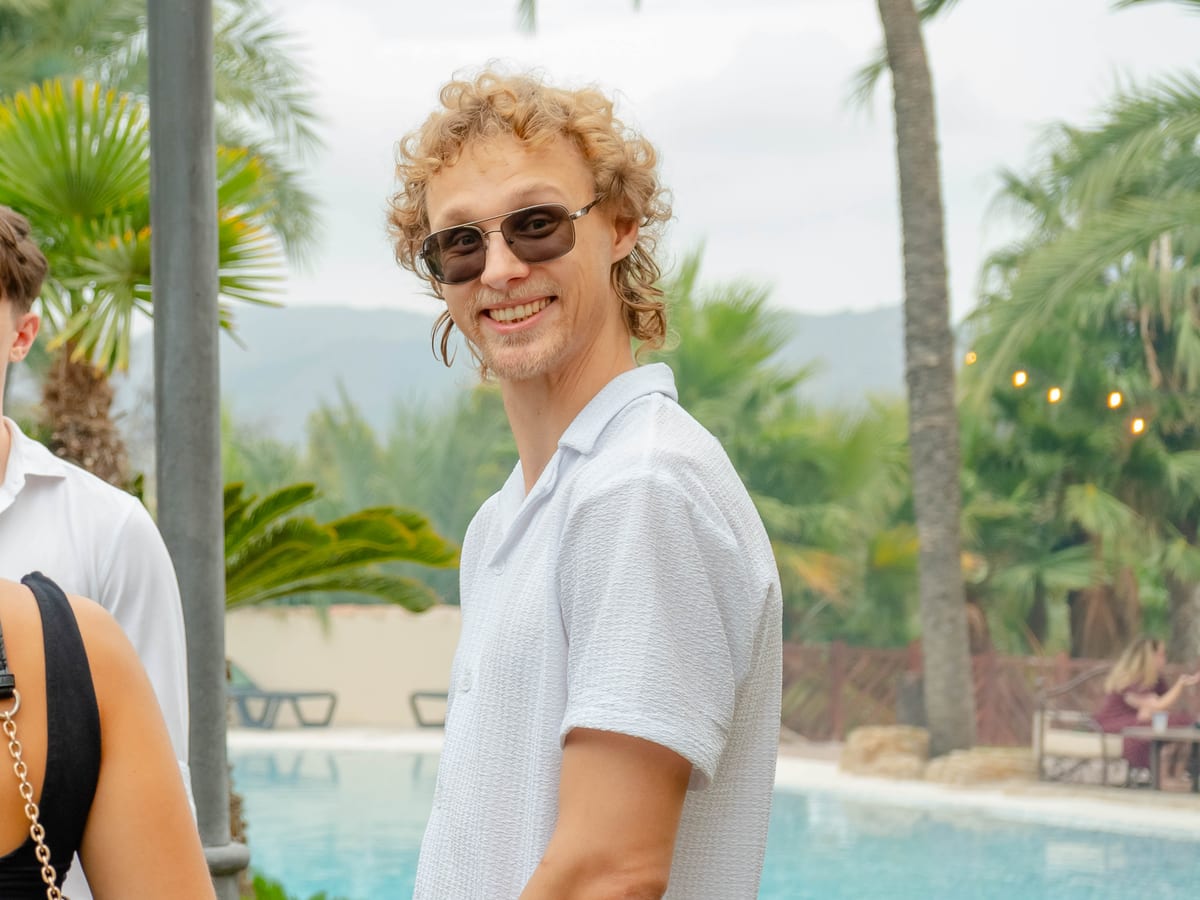
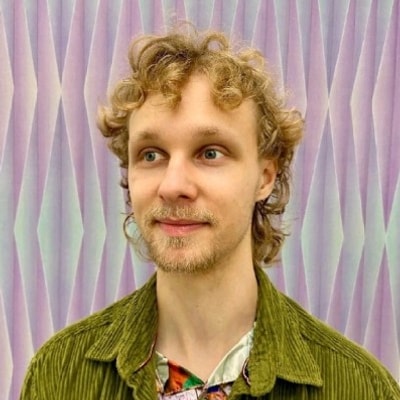
Me, smiling, in a green corduroy jacket

My story

From physics to people

A physicist who learned people in sales, quality in QA, and now leads engineers.

  1. 2011 · Riga → London

    A new country at 17

    My family moved to London when I was 17, right in the middle of my A-levels. First I had to practise my English. It was a fun and scary journey, and I met a couple of amazing people who helped me left and right. That is where my love for physics and problem solving really grew.

    Latvia stays close to my heart, and I still go back to see my family. And long before any of this, I was already building websites: for myself, for friends and for family.

    What I learned: Starting again in a new country taught me to learn fast, and to ask for help.

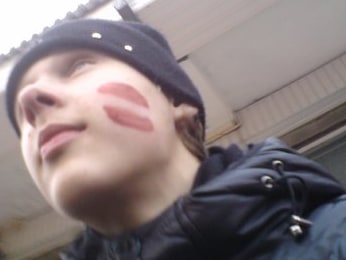
    Me as a teenager in Latvia, in a black beanie, with the Latvian flag painted on my cheek
  2. 2013 – 2018 · University of Kent · Imperial College London

    Asking why

    It started with vinyl. The groove on a record is the sound wave itself. That idea pulled me into waves, then into light, then into bending light in ways that look impossible: negative refraction and metamaterials, the physics behind "invisibility".

    I got a first-class BSc in Physics at the University of Kent. Then I studied MSc Physics at Imperial College London, with a research project on plasmonic nano-cavities. Along the way I tutored Physics and Maths, and covered lessons in schools.

    What I learned: The best problems look impossible at first. Explaining the why is half of solving them.

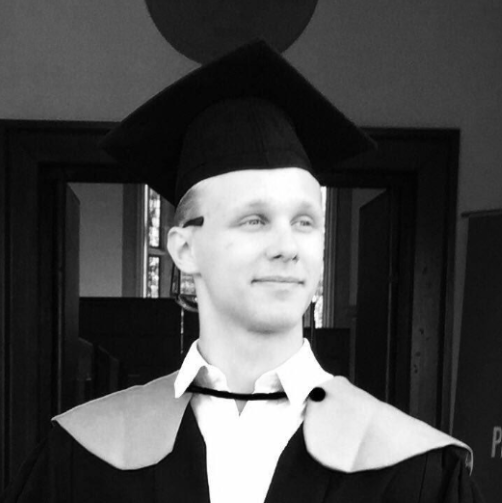
    Me in cap and gown on my graduation day
  3. 2016 – 2021 · Thermostar UK · Operations & People Manager

    Effort equals results

    Thermostar UK is my father's company, and I ran sales, hiring, onboarding and operations. Effort turned straight into results.

    I built our booking system with Zapier, a shared calendar and our customer data. Every dealer had at least three demos a day, each within a 30-minute drive of the last. We brought on two new dealers a month, and I hired and coached the direct sales and telephone team. I also built our website, thermostar.org.uk.

    The more I hired, onboarded and looked after people, the more I realised: I really like this.

    What I learned: I love building the systems, but I love growing the people even more.

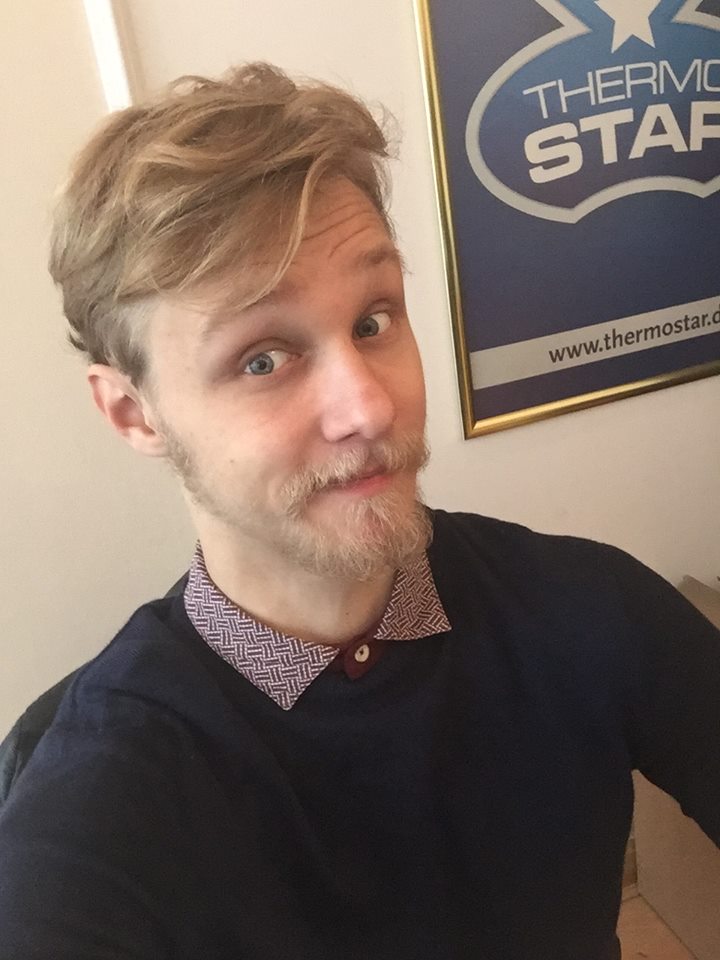
    A selfie of me in the Thermostar office, with the Thermostar sign on the wall
  4. 2021 – 2023 · Symplectic · QA Engineer

    The bridge into tech

    The booking system showed me that I could do more with software. I liked coding, but I did not want to live inside the code all day, and test automation made me curious. QA was the perfect bridge: technical work, and lots of talking to people.

    I built a test automation framework from scratch that automated over 80% of our end-to-end tests. I also built a proof of concept with OWASP ZAP to find security flaws. It worked so well that the team made it part of every release, even after I left.

    What I learned: A working proof of concept is the fastest way to turn a no into a yes.

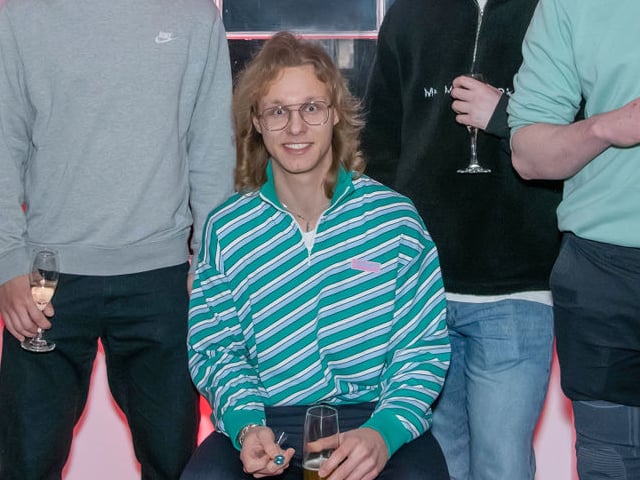
    Me at a Symplectic team celebration
  5. 2023 – 2025 · Quinyx · QA Automation Engineer

    Say it out loud

    At Quinyx I rebuilt our end-to-end testing to cover 52% of regression on Android and iOS. Together with our contractors, we grew the test-case library from 128 to 181.

    But I missed being responsible for people, so I said it out loud: I want to manage. I collected product quality metrics (ratings, errors, crashes, test coverage), pushed for proper ways of working, introduced retrospectives, and took on as much of the Engineering Manager's work as I could. Mauro Bagnato, then our Engineering Director, became my mentor on that path.

    What I learned: Say what you want, then show that you are already doing it.
    Me with colleagues at a Quinyx team retreat
  6. 2025 – now · Quinyx

    Engineering Manager

    Quinyx opened a manager position, and I was the first to apply. I didn't get it that time. At the next opening, I got six months as interim Engineering Manager, with a clear path to the role.

    Today I lead a mobile squad of six senior engineers. My proudest win started as a bottleneck: one QA engineer buried under 60+ manual tickets. We shifted testing left, so the whole team owns quality, and in three months the queue fell to 2–5 tickets. Now other teams use the same approach.

    What I value most? When my team challenges my ideas. It means they trust me enough to speak up, and together we land on a better answer.

    What I learned: Trust is what makes people open up and talk about their failures. That is where the learning starts.

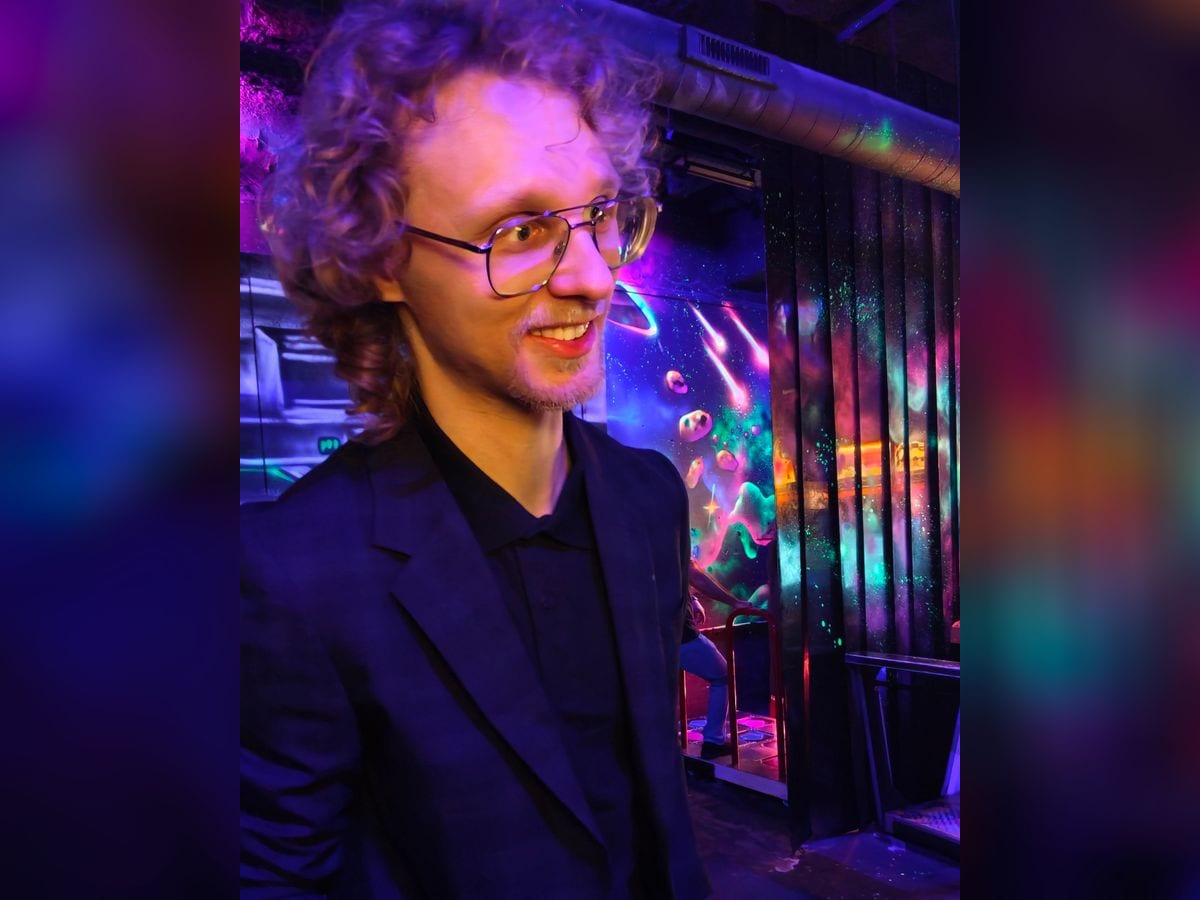
    Me smiling at a Quinyx team night out, under neon space murals

How I lead

Structure, and a love of change

I like structure, and I love change. That sounds like a contradiction until you see it work: clear ways of working give a team the safety to try new things.

My best days are when an idea I started gets picked up, and my people tell me they had fun, learned and grew. That inspires me to lead better. Here are a few of my organising principles:

Delegate by ownership

I delegate based on who should own the work, not on whether I can do the work myself.

My job is to grow owners, not to stay the single point of delivery. The real leadership step is to delegate the planning, not only the execution.

Learned in a mentoring session.

Explain the problem, not the solution

I explain the problem to the team first. Then I let the team find the solution with me.

A solution that the team shapes gets their commitment. A solution that I dictate gets resistance and slows the change.

Learned the hard way. I introduced shift-left testing as an instruction, with the decision first and the problem after it. I got strong pushback, so I switched the order.

Decide by the matrix, and own the decision

I decide what gets my time with a decision matrix, and I say "I decided this is more important". I do not say "we are busy".

Every team is busy, so "busy" hides a decision. My matrix scores value, time criticality, risk and reach. Value and reach weigh the most, so I look past my own team.

Learned from feedback. "Busy" hid a priority call that I had made myself, so I built the matrix.

Talk about my mistakes out loud

I talk about my own mistakes out loud, in front of the team.

If the manager can make a mistake and say it, the team can too. Mistakes are how we learn, so we talk about them openly, take the lesson, and move on together.

From a failed release, when I said "we got it wrong, and I got it wrong", and from owning that I pushed shift-left too hard.

People who shaped me

  • Mauro BagnatoCTO · Quinyx

    My first mentor. He mentored me through the move from QA into engineering management.

  • Sumanas SarmaCTO · Captur

    My mentor since 2026. Our sessions shaped my organising principles.

Things I built

I still love to build

Websites, AI tools for my team, and a few things that run our home.

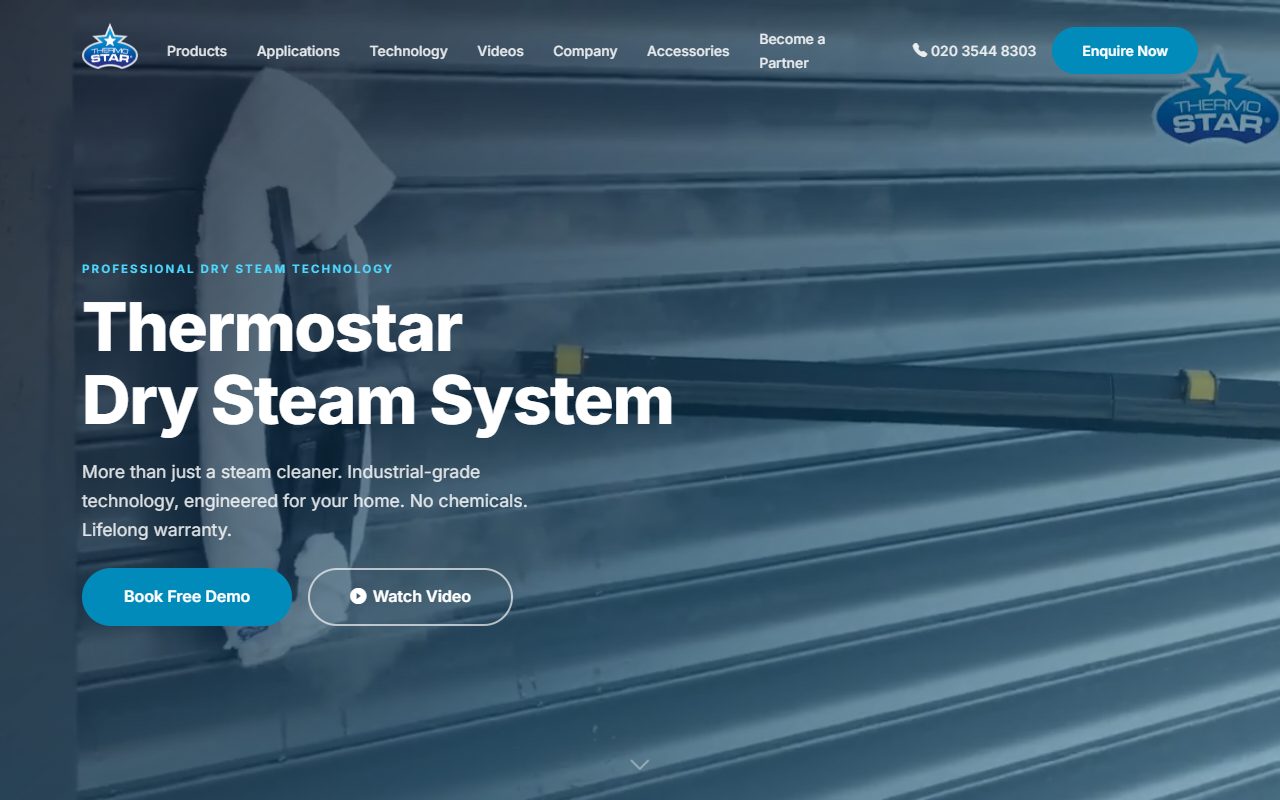
thermostar.org.uk

Designed, built and looked after since 2020

The website for Thermostar UK's dry steam cleaners, with a free-demo booking form that feeds the sales team.

  • HTML
  • Bootstrap
  • GitHub Pages

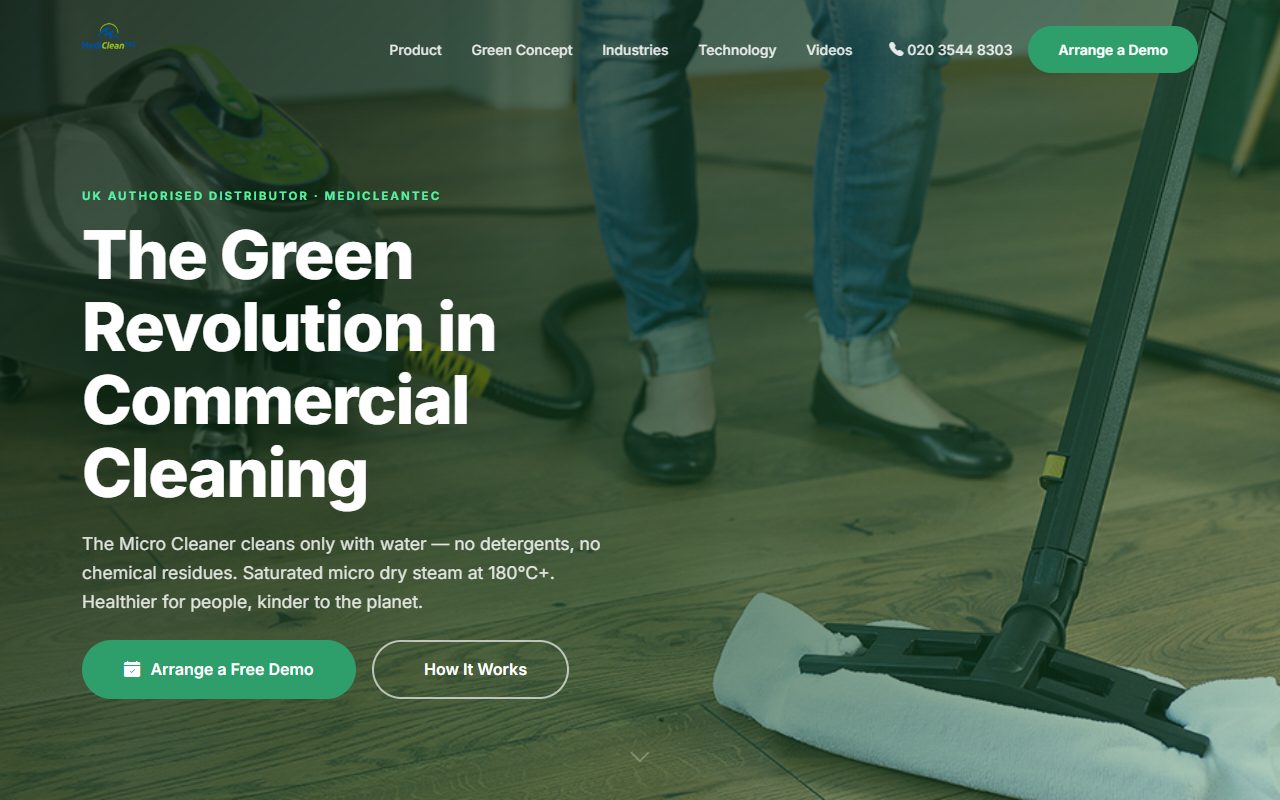
medicleantec.co.uk

Designed and built with Claude Code

A landing page for a chemical-free commercial steam cleaning system. I used Claude Code as my pair programmer, from the first design to the live site.

  • HTML
  • Claude Code
  • GitHub Pages

ACIEN

Tech lead · ongoing side project

ACIEN is my wife's sustainable knitwear label. At weekends I am its tech lead: AI integrations with the knitting software and Jira, the store connectors, and the move from Xero to FreeAgent.

  • Shopify
  • Jira
  • FreeAgent
  • AI integrations

AI tools for my team

Built for my team at Quinyx

A manager portal that turns my 1:1 notes into themes and actions. A weekly reflection that helps me look back and plan. A bug-triage assistant that names the owning platform and a likely fix, now used by three teams. Next: a product quality metrics tool that every team can use.

  • Claude
  • Claude Code skills

My LLM wiki

A second brain that Claude helps me keep

Everything I work on lives in one place: indexes, notes, decisions, and a link back to every conversation. It follows Andrej Karpathy's LLM wiki idea, and it lets me find anything we ever talked about.

  • Claude Code
  • Markdown
  • TriliumNext

Home Pi lab

Self-hosted at home

A Raspberry Pi that runs our notes (TriliumNext), files (Nextcloud), chores (Donetick), groceries (KitchenOwl) and a home dashboard. A pixel clock on the shelf even shows when Claude is working.

  • Raspberry Pi
  • Docker
  • Tailscale

Apps I wrote

Weekend builds

keepi, an Android notes app that syncs into TriliumNext. A gym tracker. A property search tool that checks four UK sites at once. A budget planner on top of Firefly III.

  • React Native
  • Playwright
  • Node.js

Greenhouse Pi

Remote sensors in Spain

Sensors in a greenhouse in Spain record the temperature, humidity, pressure and rain. A simple phone page lets the family check on it from anywhere.

  • Raspberry Pi
  • InfluxDB
  • Grafana

Beyond work

The rest of me

  • Me and my wife on our wedding day, in the sun among flowers

    Husband

    My wife taught me to listen fully before I offer a fix, and sometimes not to offer one at all. My team gets the same space.

  • Me on set as a supporting artist, in costume as an injured sailor, next to a submarine

    On set

    I take part in the film industry as a supporting artist. Watching a big crew work together is a lesson in itself.

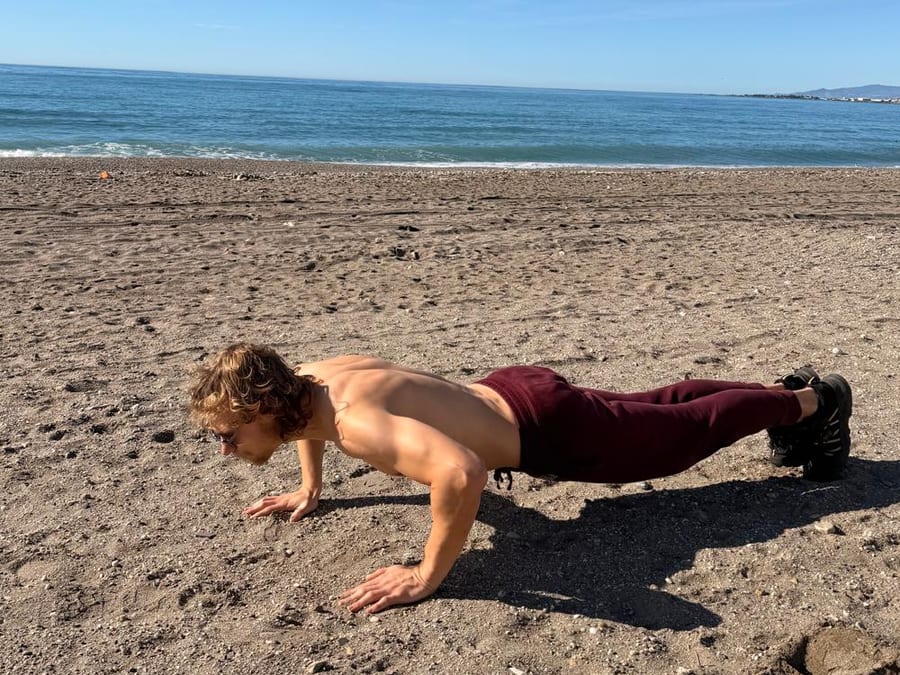
  • Me in a plank pose on a sunny beach, with the sea behind me

    Yoga

    My reset button after a busy week.

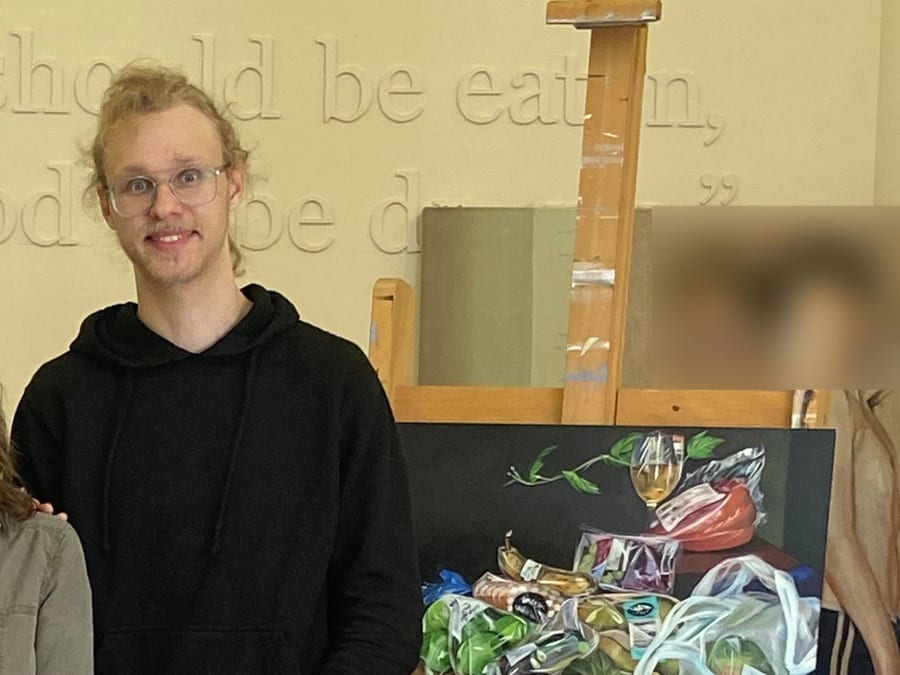
  • Me in an artist studio, next to a still-life painting on an easel

    Behind the camera

    I produced and directed a YouTube series about painters. It taught me how challenging it is to ship a project.

Let's talk

Curious about how I work, or want to swap stories about teams and quality? I'd love to hear from you.